Working from home has become a common practice for many people, and having a dedicated space that fosters both relaxation and productivity is key to success. A well-designed home workspace can help reduce stress, improve concentration, and maintain a healthy work-life balance.
In this post, we’ll explore tips for creating a relaxing home workspace that supports your productivity and keeps you feeling refreshed all day.
Why a Relaxing Workspace Matters
Your environment plays a huge role in how well you work. A cluttered or uncomfortable space can distract you and drain your energy. On the other hand, a calm, organized area helps you stay focused and motivated.
Designing a workspace that feels relaxing doesn’t mean it’s unproductive; instead, it supports your mental well-being, which naturally boosts your efficiency.
Choose the Right Location
Selecting the proper spot for your workspace is the foundation of a relaxing setup.
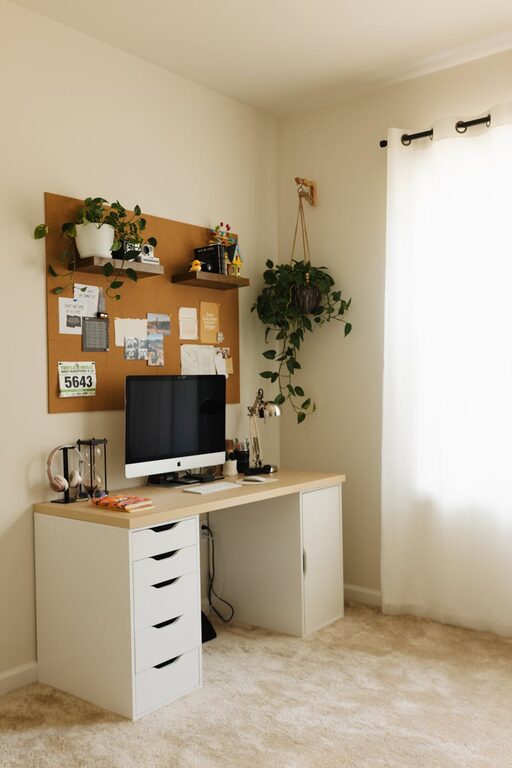
– Natural Light: Try to position your desk near a window to benefit from natural light. Sunlight improves mood and reduces eye strain.
– Away from Distractions: Choose a quiet corner or room where household noise is minimal.
– Separate Space: If possible, designate an area strictly for work to help your mind associate it with focus.
Invest in Comfortable Furniture
Physical comfort is essential to relaxation and productivity.
– Ergonomic Chair: Choose a chair with good lumbar support to prevent back pain.
– Adjustable Desk: A height-adjustable desk lets you alternate between sitting and standing, promoting circulation.
– Desk Size: Ensure your desk has enough surface area for your computer, documents, and any tools you use regularly.
Keep It Organized and Clutter-Free
A tidy workspace reduces stress and distractions.
– Storage Solutions: Use shelves, drawers, or organizers to keep supplies and papers out of sight.
– Minimal Decor: Limit decorations to a few meaningful items to avoid visual clutter.
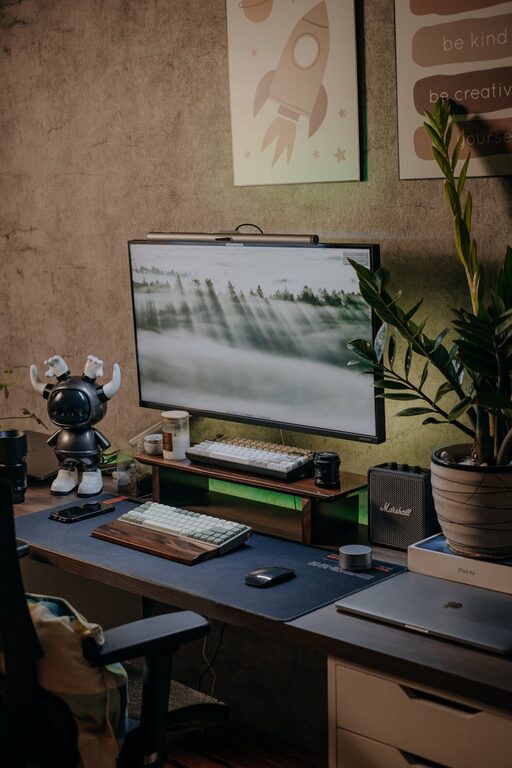
– Cable Management: Use clips or sleeves to keep cables neat and prevent tangling.
Introduce Soothing Elements
Adding calming features to your workspace can help you relax during busy days.
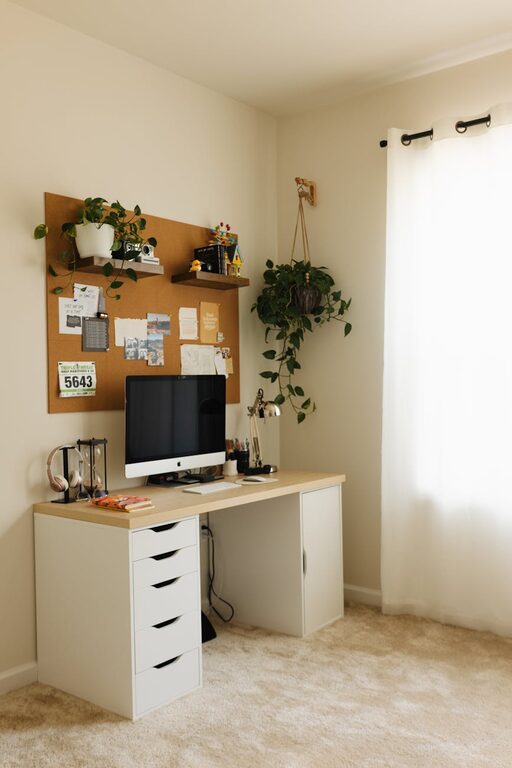
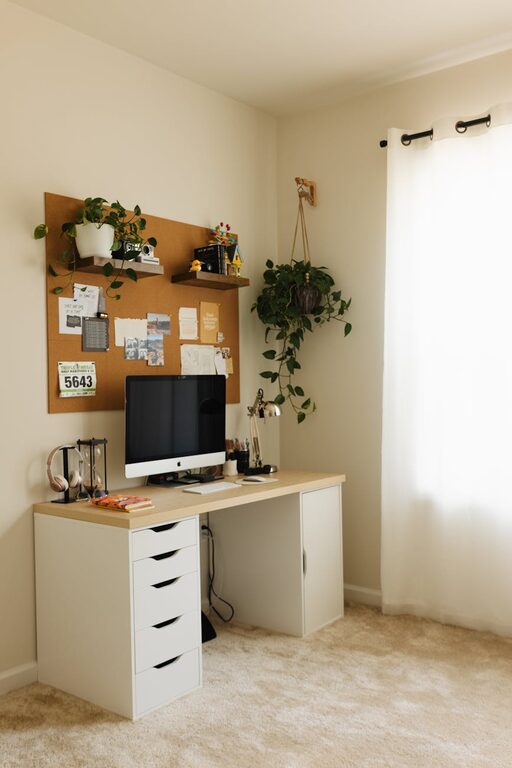
– Plants: Greenery not only brightens the space but can also improve air quality and mood.
– Soft Lighting: Use lamps or LED strips with warm light to create a cozy atmosphere.
– Personal Touches: Include photos, artwork, or objects that make you feel at ease.
Maintain Good Air Quality and Temperature
Comfort also depends on the room’s air and temperature.
– Ventilation: Open windows when possible or use an air purifier.
– Temperature Control: Keep your space at a comfortable temperature, ideally between 68-72°F (20-22°C).
– Humidity: Use a humidifier in dry environments to reduce irritation.
Sound Control
Noise can affect your ability to concentrate, so consider ways to manage it.
– Noise-Canceling Headphones: Great for blocking out distractions in noisy environments.
– Background Music: Some people find low-volume instrumental music helps with focus.
– Soundproofing: Add rugs, curtains, or acoustic panels to reduce echo and external noise.
Establish a Routine and Boundaries
A relaxing workspace is not only about the physical setup but also your habits.
– Set Work Hours: Define clear start and end times to separate work from personal life.
– Schedule Breaks: Take short breaks to stretch or relax your eyes, preventing burnout.
– Limit Multitasking: Focus on one task at a time to reduce stress and improve quality.
Use Technology Wisely
Technology can both help and distract you.
– Organized Digital Workspace: Keep your computer desktop and files organized for efficiency.
– Focus Tools: Consider apps that block distracting websites or remind you to take breaks.
– Backup Plans: Ensure your internet connection and devices are reliable to avoid unnecessary stress.
Final Thoughts
Creating a relaxing home workspace is a worthwhile investment in your well-being and productivity. By combining comfort, organization, soothing elements, and good habits, you can build an environment that helps you stay focused and calm throughout your workday.
Remember, your workspace should reflect your personal preferences and needs. Feel free to experiment with different setups until you find what works best for you.
With these tips, you’re ready to transform your home workspace into a haven of productivity and relaxation.