
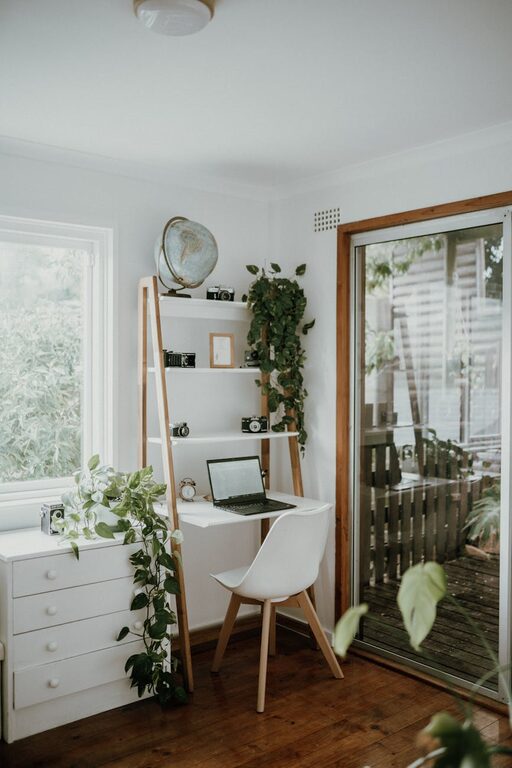
Creating a cozy and inviting home workspace is essential for maintaining focus, comfort, and motivation throughout your workday. Whether you work remotely full-time or occasionally from home, having a dedicated space designed to suit your needs can make a big difference in your productivity and well-being. This guide offers practical tips to help you design a workspace that feels both warm and efficient.
1. Choose the Right Location
Selecting the best spot in your home is the first step in creating a cozy workspace.
– Natural Light: Aim for a space near a window to take advantage of natural daylight. Natural light improves mood and reduces eye strain.
– Quiet Environment: Pick an area away from busy rooms and distractions to help maintain focus.
– Comfortable Temperature: Ensure the workspace is well-ventilated and comfortably warm or cool depending on your preference.
2. Invest in Comfortable and Supportive Furniture
Good furniture enhances both comfort and productivity.
– Ergonomic Chair: Choose a chair that supports your back, promotes good posture, and is adjustable to your height.
– Desk Size and Height: Your desk should be large enough to hold your essentials but not so big that it becomes cluttered. The height should allow your arms to rest comfortably when typing.
– Add a Footrest: If your feet don’t touch the floor comfortably, a footrest can improve circulation and comfort.
3. Personalize Your Workspace
Adding personal touches makes your workspace feel inviting.
– Decorate with Plants: Indoor plants not only add color and texture but can also improve air quality.
– Inspirational Art: Hang artwork or photos that inspire and motivate you.
– Use Soft Textiles: Incorporate cozy elements like a soft throw blanket or a rug to add warmth.
4. Organize for Efficiency
A neat and organized workspace reduces stress and distractions.
– Declutter Regularly: Keep only what you need on your desk and store the rest in drawers or shelves.
– Use Storage Solutions: Use organizers, bins, or shelves to keep supplies in order.
– Cable Management: Manage cords and chargers with clips or ties to keep your workspace tidy.
5. Optimize Lighting
Good lighting is crucial for reducing eye strain and maintaining focus.
– Layered Lighting: Use a combination of natural light, overhead lighting, and task lamps.
– Adjustable Desk Lamps: An adjustable lamp gives you control over brightness and direction.
– Warm Light Bulbs: Warm light (around 2700K to 3000K) creates a cozy atmosphere without being harsh.
6. Minimize Noise and Distractions
Keeping noise and interruptions at bay helps sustain concentration.
– Soundproofing: Use rugs, curtains, and upholstered furniture to absorb sound.
– Noise-Cancelling Headphones: These can be a great investment, especially if your workspace is near noisy areas.
– Set Boundaries: Inform household members of your work hours to minimize interruptions.
7. Incorporate Technology Thoughtfully
Technology is essential, but it should support—not overwhelm—your workspace.
– Reliable Equipment: Invest in quality devices like computers, printers, and monitors to avoid frustration.
– Wireless Devices: Wireless keyboards, mice, and printers reduce cable clutter.
– Charging Station: Designate a spot to keep your devices charged and ready.
8. Keep Your Workspace Fresh and Inviting
Small touches can maintain a pleasant environment.
– Use Essential Oils or Diffusers: A subtle scent can boost energy and relaxation.
– Open a Window: Fresh air helps keep you alert and refreshed.
– Take Breaks Away from Your Desk: Step away periodically to stretch and reset focus.
9. Adjust and Evolve Your Workspace Over Time
Your needs may change, so be flexible.
– Rearrange Furniture: If the current setup feels stale, try changing the layout.
– Update Décor Seasonally: Small updates like new cushions or artwork can refresh the space.
– Listen to Your Body: Adjust chair height, lighting, or desk arrangement as needed for comfort.
—
Creating a cozy and inviting home workspace is not only about aesthetics but about making a space where you feel comfortable, focused, and motivated. By selecting the right location, investing in the right furniture, personalizing your space, and keeping it organized and well-lit, you can create a home office that supports your work and well-being every day.